Optimal Timing for Log Home Staining
Determining the optimal time for log home stainings involves considering seasonal weather patterns, wood condition, and environmental factors. Proper timing ensures the stain adheres well and maintains its protective qualities longer.
Spring offers moderate temperatures and higher humidity levels, ideal for stain absorption and curing. It allows for preparation before summer exposure.
Summer can be suitable if temperatures are not excessively high. Staining during cooler parts of the day prevents rapid drying and ensures even application.
Fall provides cooler, stable weather with less humidity, making it a preferred season for log home stainings prior to winter.
Winter is generally unsuitable due to low temperatures and high moisture levels, which can hinder proper curing and adhesion of stain.
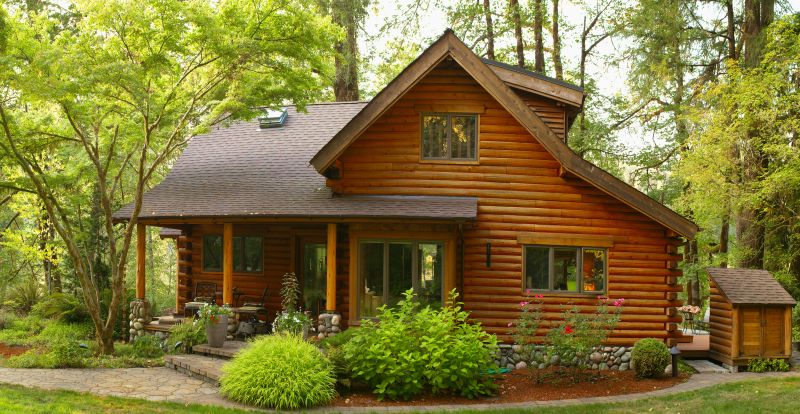
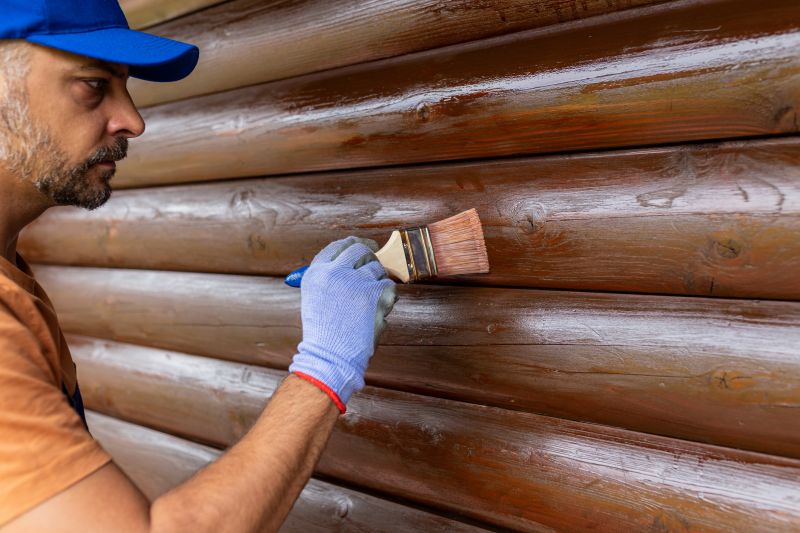
A log home being stained in spring, with fresh stain application on the wood surface.

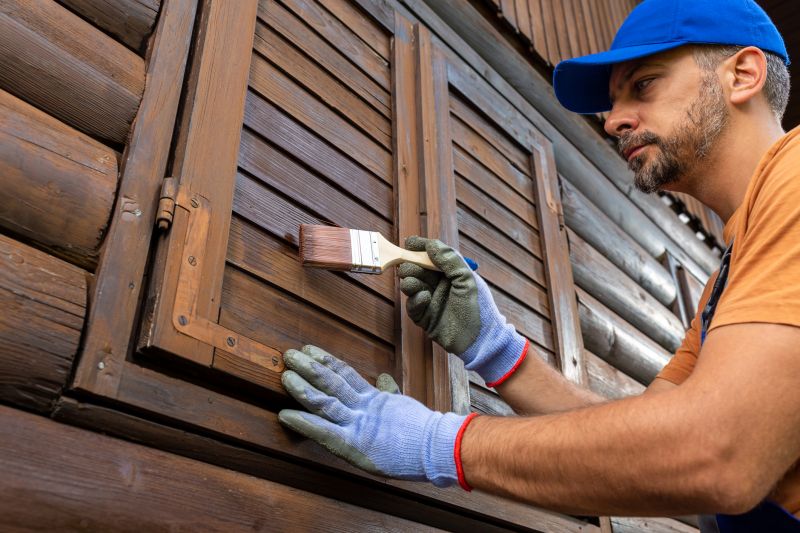
A worker applying stain during a warm summer day, demonstrating optimal weather conditions.
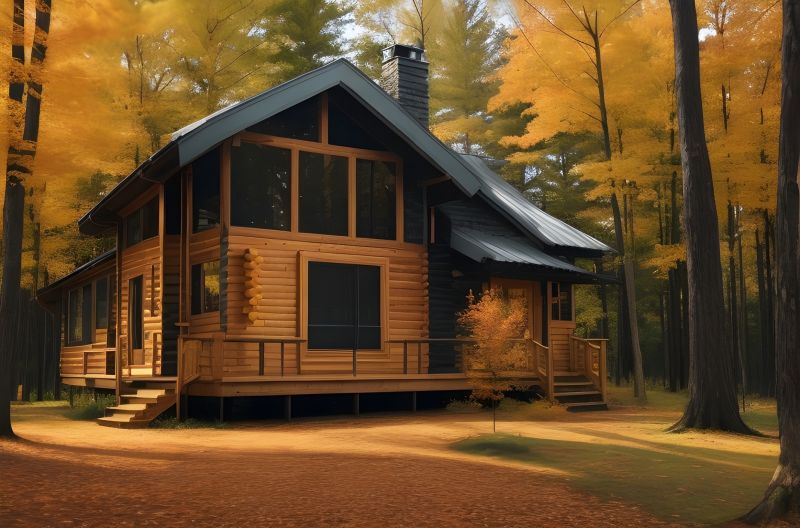
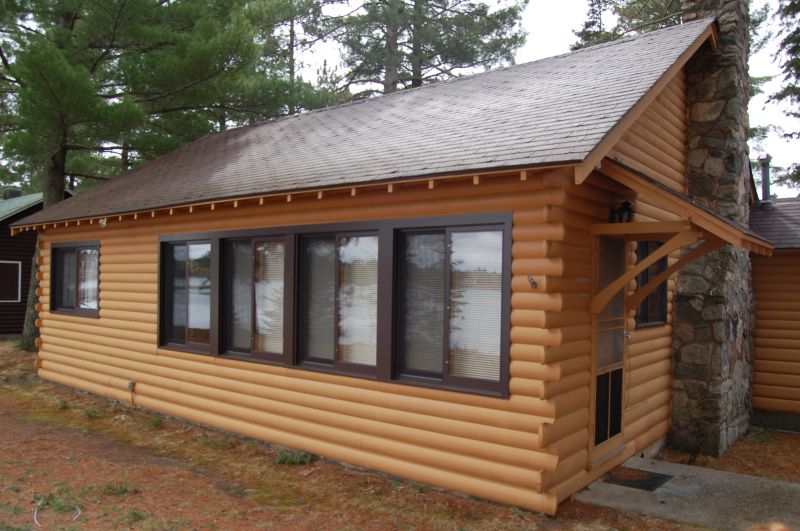
A log home with a fresh coat of stain in autumn, ready for winter protection.
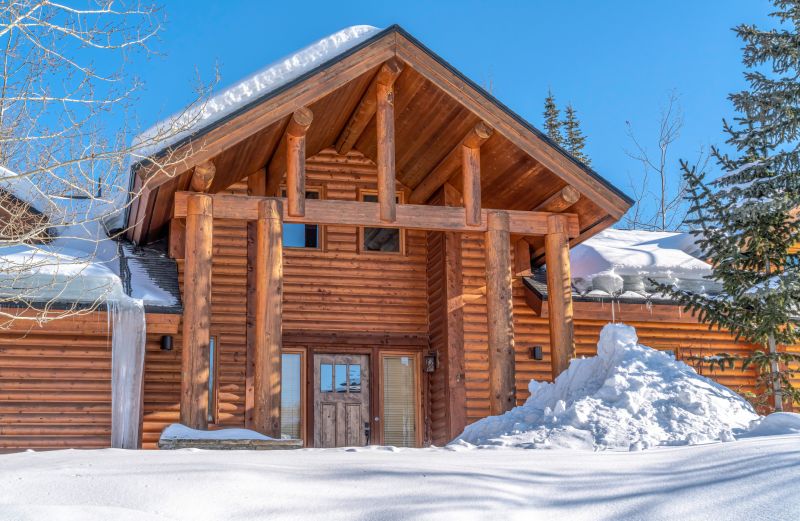
A log home with frozen surroundings, illustrating the difficulty of staining in cold weather.
Log home stainings are essential for protecting wood surfaces from weathering, UV damage, and moisture intrusion. Proper timing maximizes the stain’s effectiveness and longevity. The right season also reduces the risk of issues such as peeling, cracking, or uneven absorption. Statistics show that staining during optimal seasons can extend the lifespan of the finish by up to 50%, reducing maintenance costs over time.
Environmental conditions significantly influence the success of stain application. Ideal conditions include temperatures between 50 and 85 degrees Fahrenheit, low humidity, and no rain forecast for at least 24 hours post-application. Monitoring weather patterns and preparing the wood surface accordingly can lead to better results and a more durable finish.
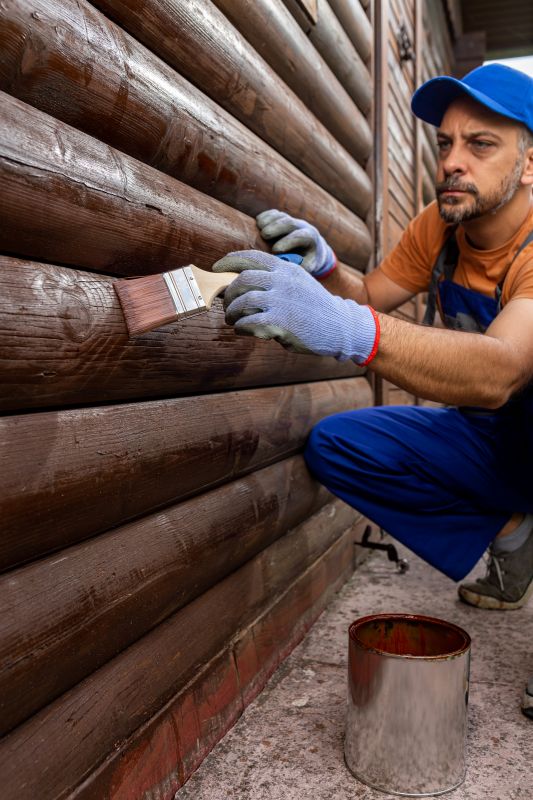
Applying stain during spring, with optimal weather conditions for absorption.
A professional applying stain in summer, ensuring even coverage.
A log home being stained in fall, preparing for winter weather.
Frozen surroundings and cold temperatures complicate staining.
| Season | Optimal Conditions |
|---|---|
| Spring | Moderate temperatures, higher humidity, no rain |
| Summer | Warm days, lower humidity, avoid extreme heat |
| Fall | Cool, stable weather, low humidity |
| Winter | Low temperatures, high moisture, frozen conditions |
Choosing the appropriate season for log home stainings ensures better adhesion, color consistency, and longer-lasting protection. Proper planning around weather conditions minimizes reapplication frequency and enhances the appearance of the wood surface.
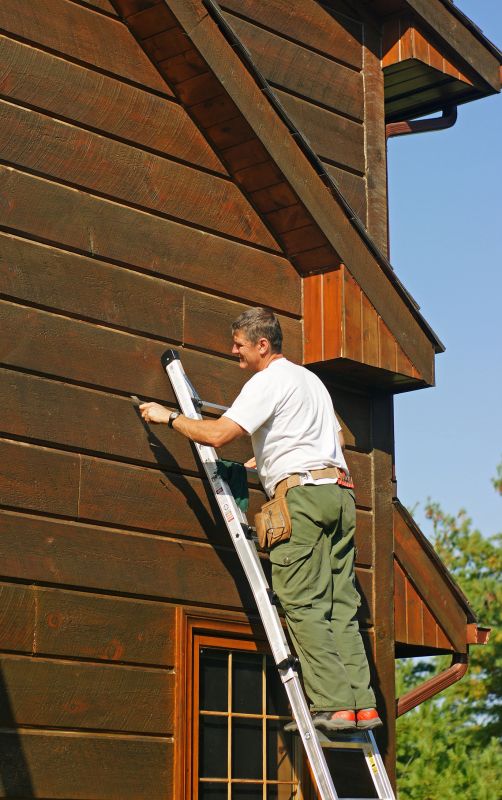
A log home receiving stain in spring, with ideal weather conditions.
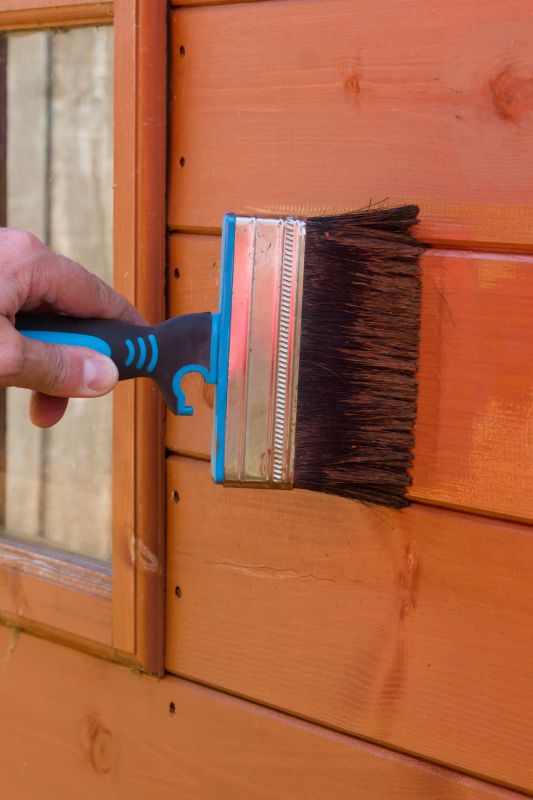
Staining during a warm, dry summer day for best results.
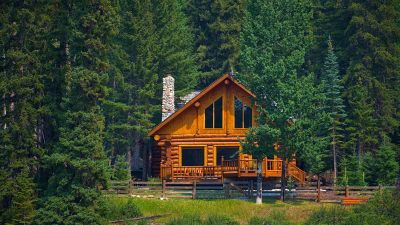
Preparing a log home for staining in autumn.
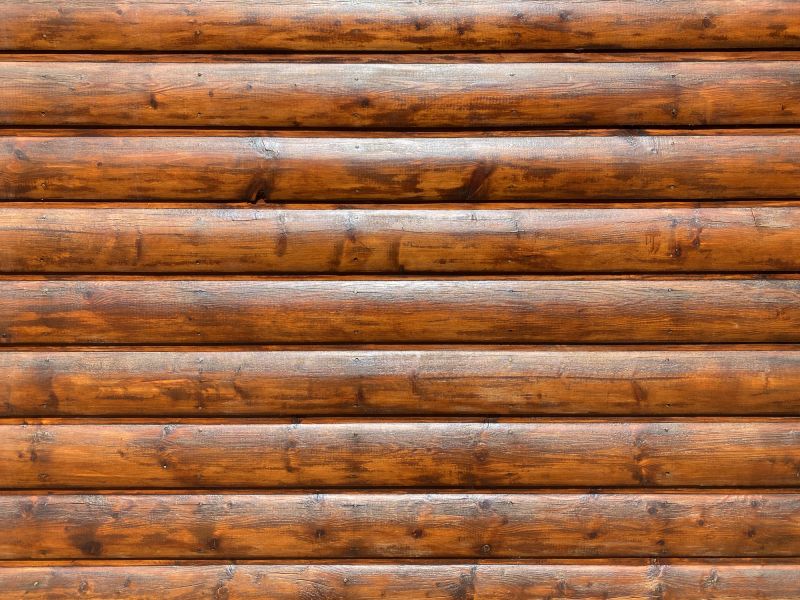
Frozen ground and cold temperatures impacting staining efforts.
Interested in scheduling log home stainings? Filling out the contact form provides options for planning around preferred seasons and ensuring optimal weather conditions for application.