How Often You Should Stain Your Deck
People seeking to maintain their decks often want to know how often to stain them, and local contractors can provide expert guidance and professional staining services.
If you’re a property owner wondering how often you should stain your deck, you’ve come to the right place. Properly maintaining a deck involves more than just occasional cleaning; regular staining helps protect the wood from weather damage, extends its lifespan, and keeps it looking attractive. Many local contractors recommend re-staining every couple of years, but the exact timing can depend on factors like exposure to sunlight, moisture levels, and the type of stain used. Staying informed about these guidelines can help ensure your outdoor space remains inviting and well-preserved for years to come.
Understanding the ideal frequency for staining your deck can make a significant difference in its overall condition and appearance. Property owners in the area often find that consulting experienced service providers can provide tailored advice based on local climate conditions and the specific materials used. Whether you’re preparing for a seasonal refresh or addressing wear and tear, local contractors who specialize in deck staining can help you determine the best schedule for maintaining your deck’s beauty and durability. Keep reading to discover more practical tips and insights from those who know the local environment best.
- Pressure-treated wood deck - local contractors recommend staining every 1-3 years to maintain protection and appearance.
- Composite decking - service providers suggest staining less frequently, typically every 3-5 years, depending on wear.
- Older, weathered decks - local pros often advise more frequent staining, around every 1-2 years, to restore and preserve the wood.
- Newly built decks - experts usually recommend waiting at least one year before staining for proper curing, then re-staining every 2-3 years.
- High-traffic or exposed decks - local contractors may recommend staining annually to prevent damage and extend deck lifespan.

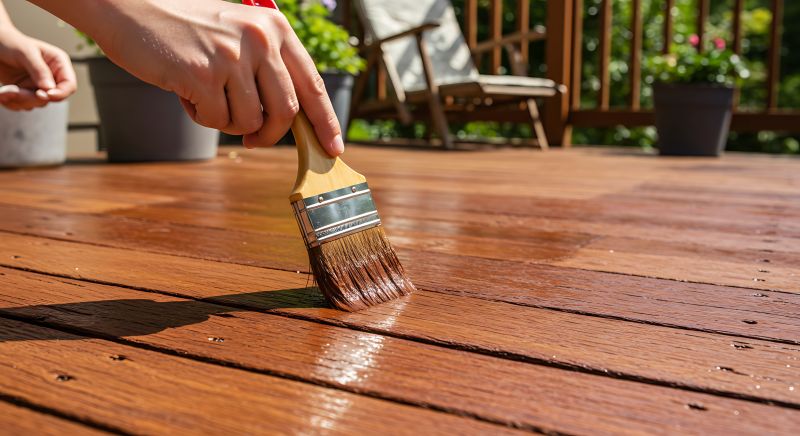
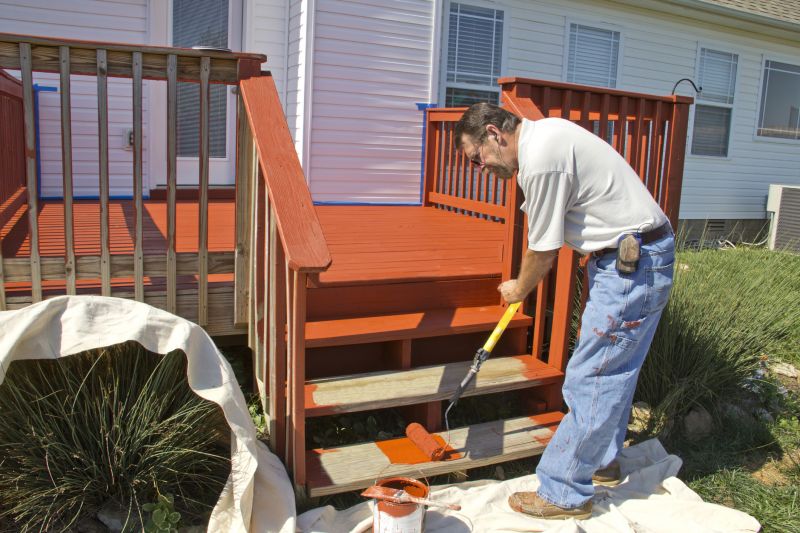
When homeowners search for how often they should stain their deck, they are usually looking for guidance on maintaining the appearance and durability of their outdoor space. This question often arises as part of regular property upkeep or when preparing for seasonal changes. People want to ensure their decks stay protected from weather elements, such as sun, rain, and snow, which can cause wood to fade, crack, or rot over time. Understanding the optimal staining schedule helps prevent costly repairs and keeps the deck looking attractive for years to come. Local service providers who specialize in deck staining can assess the specific needs of a property and recommend a maintenance plan tailored to the deck’s material, age, and exposure to the elements.
The topic connects closely to common property plans that involve outdoor living enhancements or renovations. Homeowners may be planning to host gatherings, sell their home, or simply enjoy their backyard more comfortably. Regular staining is part of a broader maintenance routine that preserves the deck’s structural integrity and aesthetic appeal. Problems that prompt questions about staining frequency include fading wood color, peeling or flaking stain, and signs of wood damage. When these issues appear, it’s often a sign that the deck needs a fresh coat of stain to restore its protective barrier. Local contractors who offer deck staining services can evaluate the condition of the surface and recommend the right timing for re-staining to address these concerns effectively.
The types of properties that typically come up in discussions about how often to stain a deck include residential homes, especially those with wood or composite decks. These properties often feature decks that are exposed to seasonal weather changes and require ongoing maintenance. In addition, vacation homes or properties with outdoor entertaining areas benefit from a routine staining schedule to keep their decks in top condition. The frequency of staining can vary based on environmental factors, such as climate and exposure to sunlight, as well as the type of stain used. Service providers experienced in deck staining can advise property owners on the best practices to extend the lifespan of their decks, ensuring they remain safe and visually appealing over time.
Understanding how often to stain a deck helps homeowners plan their maintenance and avoid unnecessary repairs. Typically, decks should be stained every one to three years, but this can vary depending on the type of stain, the wood’s exposure, and local weather conditions. For example, decks in areas with intense sunlight or high moisture levels may need more frequent attention. Consulting with local contractors can provide insight into the ideal staining schedule for specific properties, ensuring that decks stay protected and look their best. These professionals can also handle the staining process efficiently, helping homeowners maintain their outdoor spaces with minimal hassle. By staying on top of staining routines, property owners can enjoy a durable, attractive deck that enhances their home’s overall value and curb appeal.
Fence Staining Projects - These projects require similar surface preparation and staining techniques as decks, making them relevant for those interested in maintaining outdoor wood surfaces.
Wood Patio Restoration - Restoring and sealing wood patios involves planning and applying protective finishes, aligning with the skills used in deck staining maintenance.
Outdoor Furniture Refinishing - Refinishing wooden outdoor furniture shares techniques with deck staining, including surface prep and protective coating application.
Deck Repair and Restoration - Repairing damaged wood before staining is essential, and local contractors who handle deck repairs can often provide comprehensive maintenance services.
Porch and Balcony Finishing - Applying protective finishes to porches and balconies involves similar planning and staining skills as those used for decks.
Wood Fence Maintenance - Maintaining and staining wood fences requires similar knowledge of surface prep and stain application as deck staining services.
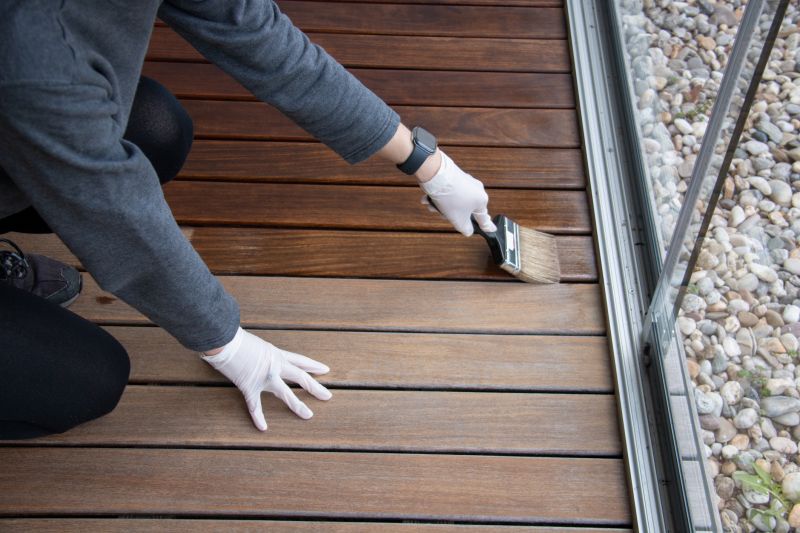
When evaluating different service providers for deck staining, it is important to consider their experience with similar projects. Homeowners should inquire about how long a contractor has been performing deck staining and whether they have worked on decks with comparable materials, sizes, or conditions. An experienced local contractor is more likely to understand the nuances of different wood types and finishes, which can influence how often a deck needs to be stained to maintain its appearance and integrity. This familiarity can help ensure that the advice and recommendations provided are tailored to the specific needs of the deck, leading to a more durable and attractive result.
Clear written expectations are essential when comparing local contractors for deck staining services. Homeowners should seek detailed estimates that outline the scope of work, including preparation, staining methods, and the type of stain used. Having these expectations documented helps prevent misunderstandings and provides a basis for comparing proposals objectively. Additionally, understanding what the service includes allows homeowners to assess whether the contractor’s approach aligns with their desired outcome and how often they recommend re-staining based on the deck’s condition and usage.
Reputable references and good communication are key factors in selecting a dependable local contractor. Homeowners can ask for references from previous clients who had similar work done and inquire about their satisfaction with the results and the contractor’s professionalism. Effective communication throughout the process ensures that questions are answered clearly and concerns are addressed promptly, which can significantly influence the overall experience. Choosing a service provider known for transparent, responsive communication and positive references can help ensure that the deck staining project meets expectations and that the homeowner receives guidance on how often to re-stain their deck for optimal protection and appearance.
Property owners often search for how often you should stain your deck when they are planning practical projects around their homes and businesses. Local pros provide Deck Staining services for everyday jobs and straightforward project options.


Understanding how often you should stain your deck is a common concern for property owners who want to keep their outdoor space looking its best. In everyday situations, homeowners may notice weathering, fading, or peeling paint and wonder if it’s time for a fresh coat. Typically, decks that are exposed to frequent sunlight, rain, or snow may require staining more often-often every two to three years-while those in shaded or protected areas might need it less frequently. When signs of wear become visible, many property owners seek the expertise of local contractors who specialize in deck staining to ensure the job is done properly and to extend the lifespan of their outdoor wood surfaces.
For property owners in the area, understanding the ideal staining schedule can help maintain the beauty and integrity of their decks. Regular inspections can reveal when the wood starts to look dull or the finish begins to peel, indicating that a new stain may be needed. Engaging with local service providers who offer deck staining services can be a practical way to keep a deck in good condition without the guesswork. These professionals can assess the current state of a deck and recommend the appropriate timing for staining, helping property owners preserve their outdoor spaces while avoiding unnecessary or premature work.
How often should I stain my deck to keep it protected? Typically, staining every 2 to 3 years is recommended to maintain protection and appearance. Local contractors can assess your deck’s condition and suggest the best timing for staining.
What factors influence how often I should stain my deck? Factors such as the deck’s exposure to sunlight, weather conditions, and the type of stain used can affect the frequency. Consulting with local service providers can help determine the ideal schedule for your specific situation.
Can I wait longer than the recommended interval between stains? Waiting too long may lead to increased wear and potential damage. Local deck staining professionals can evaluate whether your deck needs immediate attention or if a new stain can wait.
Is it necessary to stain a new deck right away? It’s often advisable to stain a new deck within the first year to protect the wood from moisture and UV damage. Local pros can recommend the best time to apply the initial stain.
How do I know if my deck needs staining sooner than expected? Signs such as fading color, uneven appearance, or water absorption indicate it might be time for staining. A consultation with local contractors can help determine if your deck requires attention sooner.
Consider deck exposure to weather - decks in areas with frequent rain or sun may need staining more often to maintain their appearance and protection, so consulting with local contractors can help determine the right schedule.
Assess the deck’s age and condition - older decks or those showing signs of wear often require more frequent staining, and local service providers can evaluate when a fresh coat is needed.
Follow manufacturer recommendations - stain products often specify a recommended reapplication interval, and local pros can assist with proper application timing based on these guidelines.
Monitor the deck’s surface regularly - inspecting for fading, peeling, or graying can guide when to schedule staining, and experienced contractors can provide advice tailored to specific conditions.
If you are thinking about how often you should stain your deck for a property, this guide is meant to help you understand this topic, the typical project types, and how different options might fit your plans.
When you are ready, you can use the quote form on this page to share a few details about your project. From there, local pros can review the basics and follow up with options that match what you have in mind.